Tank vs. tankless water heaters: what actually changes
Both heat water well. The real differences are in how they deliver it, how much space they take, and what maintenance they need to keep working.
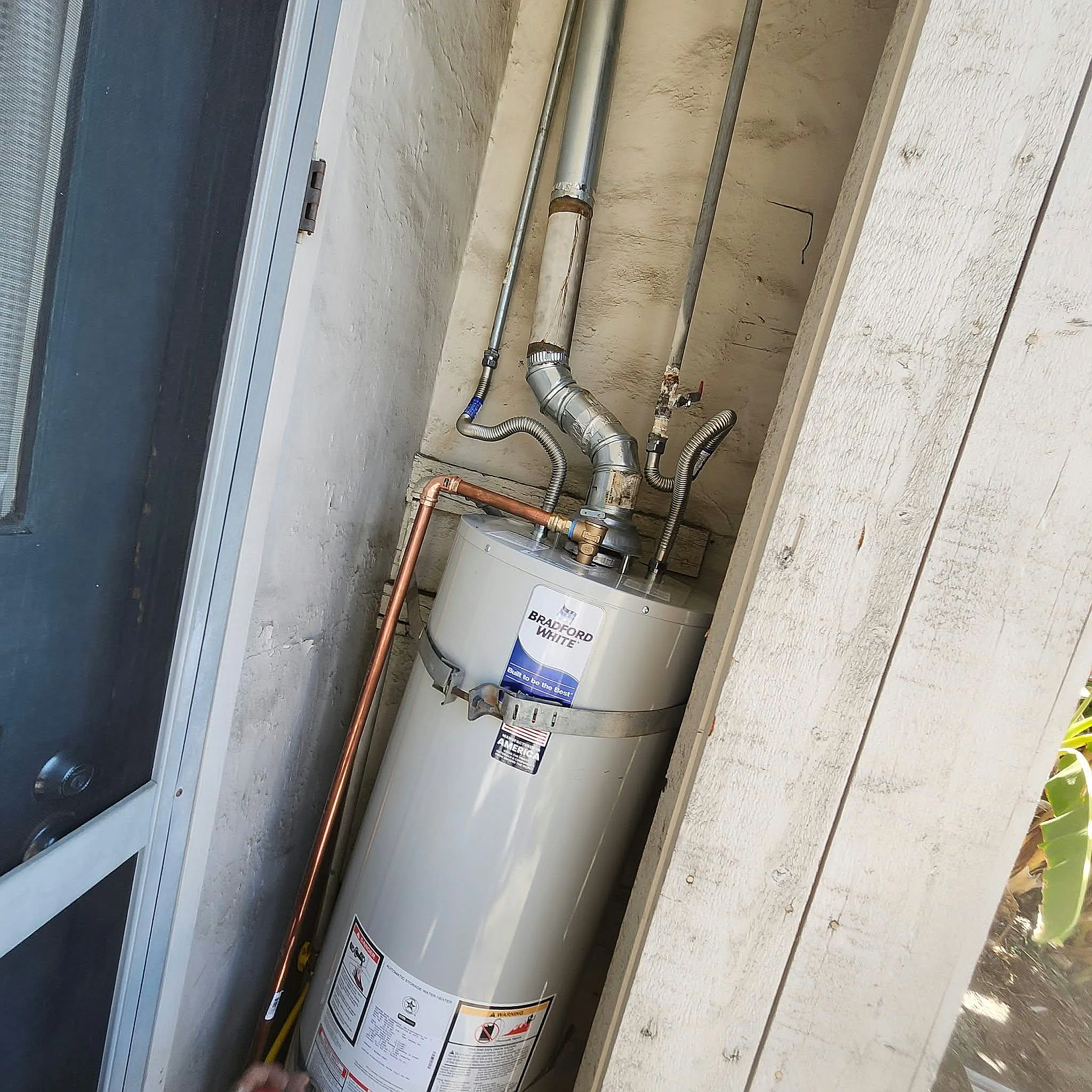
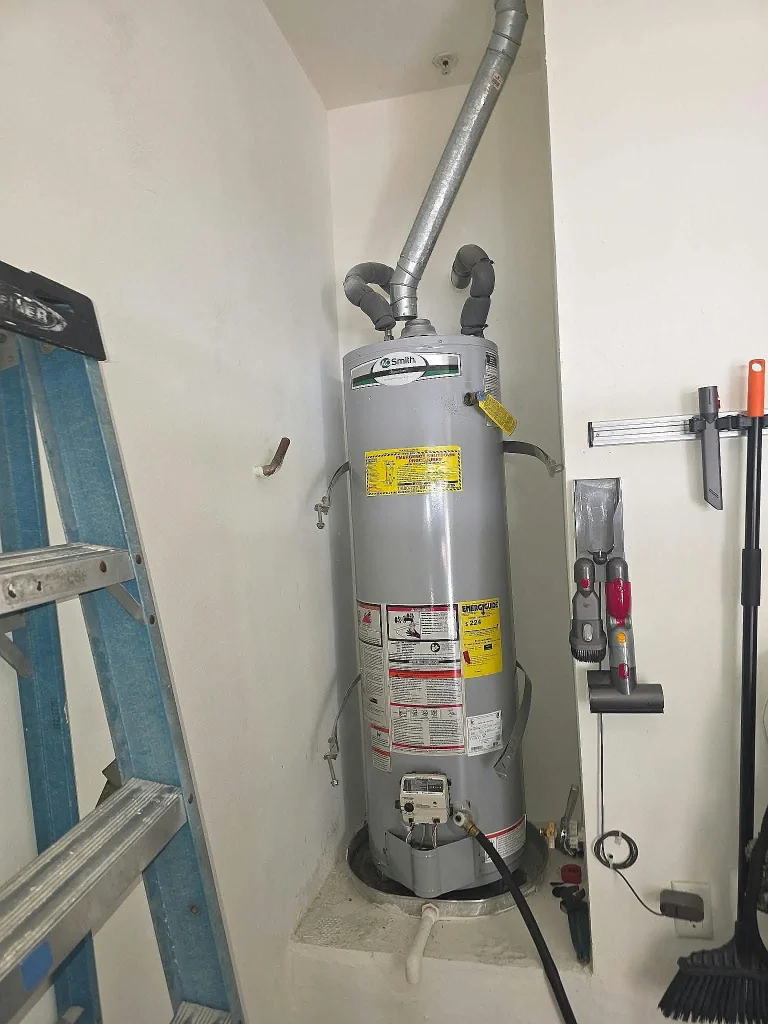
How a tank heater works
A traditional tank keeps a set volume of water hot and ready. When you open a hot tap, hot water leaves the top of the tank and cold water refills the bottom. Once the stored hot water is used up, you wait for the tank to recover.
How a tankless heater works
A tankless unit heats water only as it flows through, so it does not run out the way a tank does. It does have a limit on how much hot water it can deliver at once, which is why sizing matters: a unit sized too small for a household that runs two showers and a dishwasher together will struggle.
Things to weigh before you switch
- How many hot-water fixtures run at the same time in your home
- Whether the existing gas line and venting suit a tankless unit
- Space: a tankless unit mounts on a wall, a tank needs floor space
- Maintenance: tankless units need regular descaling in hard water
The right heater is the one sized to your household. We size the unit before we recommend one.
Maintenance is not optional on either
Hard water affects both. Tanks collect sediment; tankless heat exchangers collect scale. Either way, a yearly flush is what keeps the heater efficient. We repair, replace, size and flush gas, electric, tank and tankless units — call us or send the service form and tell us what you have now.