How often should you flush a water heater in the Inland Empire?
At least once a year. Hard Inland Empire water leaves scale in the bottom of the tank, and a yearly flush is what keeps it from shortening the life of the heater.
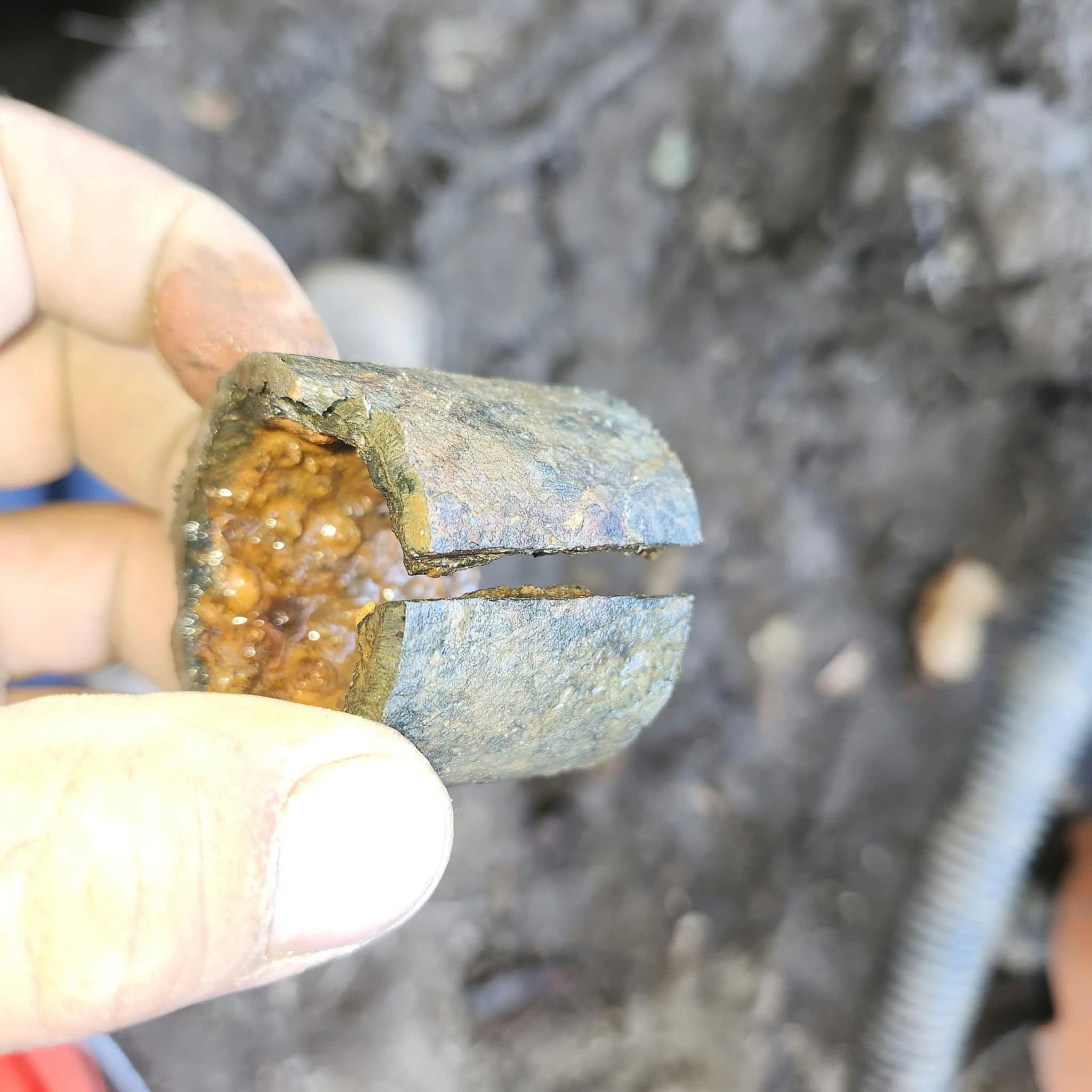
Every time a tank heats a fresh batch of water, some of the minerals in that water settle out. Over months they build into a layer of sediment on the bottom of the tank — right on top of the burner on a gas unit, or around the lower element on an electric one.
What scale does to a water heater
The burner has to heat through that layer before it reaches the water. That means longer run times, higher gas bills, and more heat stress on the tank itself. You may also hear it: a popping or rumbling sound when the burner is on is usually water trapped under sediment and boiling its way out.
- Longer recovery time after a shower or a load of laundry
- Popping, rumbling or crackling while the heater runs
- Rusty or cloudy hot water
- Less hot water than the tank used to deliver
Tank and tankless both need it
A traditional tank is flushed by draining the sediment out through the drain valve until the water runs clear. A tankless unit is different: scale builds inside the heat exchanger, and it needs a special descaling solution circulated through it. Skipped service on a tankless unit causes irregular temperature fluctuation and can ruin an otherwise efficient machine.
One flush a year is scheduled work on your calendar. A failed heater is a flooded garage and a replacement you did not plan for.
What our annual service includes
For residential annual service we flush the system and do a sacrificial rod check as well, so corrosion is caught before it reaches the tank wall. Our current specials cover both: a traditional water heater flush and a tankless flush — see the specials page for the details, and mention the offer when you book.